
Crazy Time Payment Methods – Deposits, Withdrawals and What Users Should Check
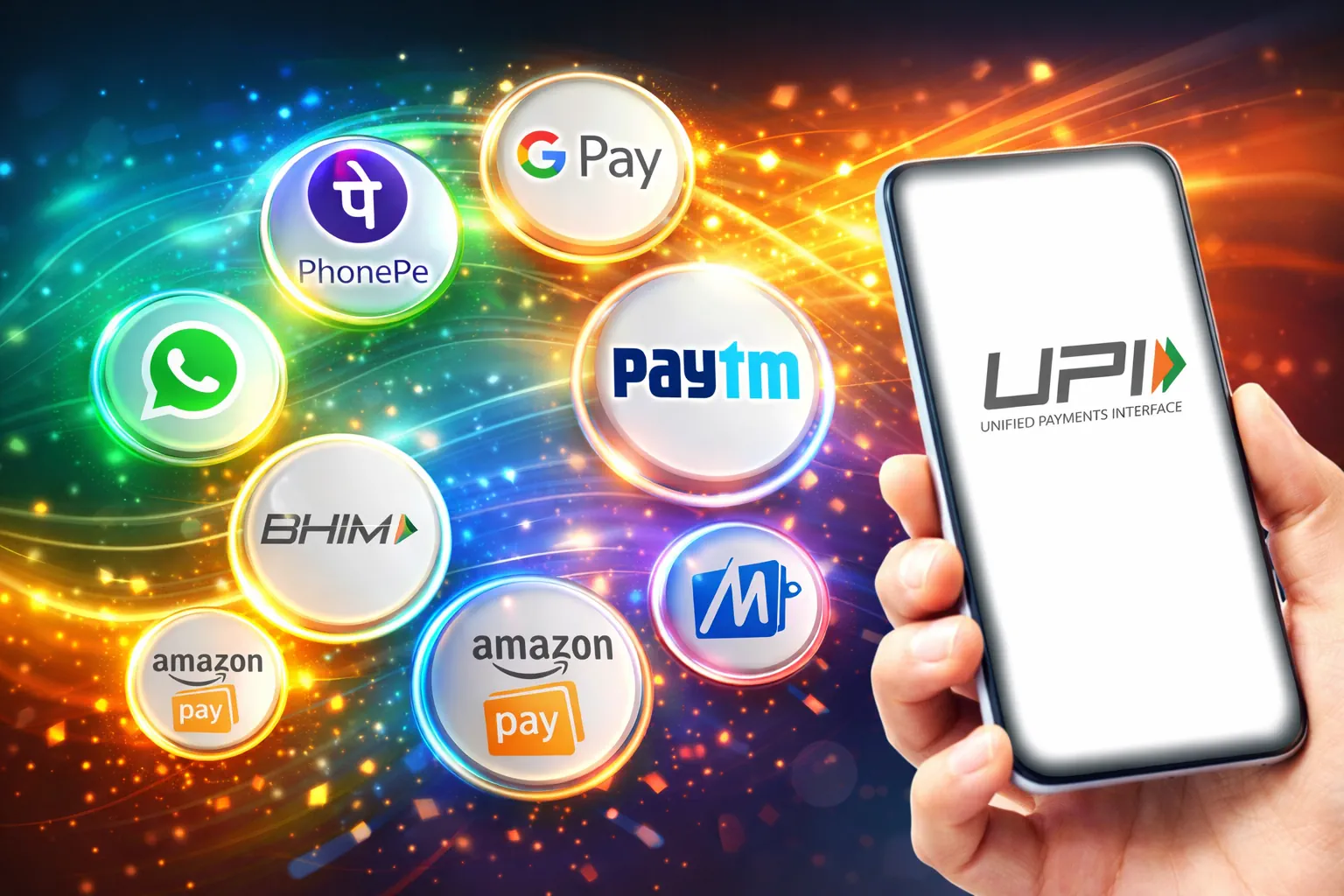
Payment methods are usually where a betting or casino platform stops being theoretical. Before that point, everything is still browsing. Users look at cricket markets, check the casino lobby, maybe compare bonuses or promo codes. Once money enters the picture, the questions become more practical. Which methods are available. How simple is the payment flow. Does the platform feel clear enough to trust with real transactions.
That is why the payment section matters so much for Crazy Time. It is not just a support feature sitting somewhere at the bottom of the site. For many users, especially on mobile, payments shape the whole impression of the platform. A sportsbook can look clean, and a casino can have strong game variety, but if the payment side feels confusing, slow, or poorly explained, the rest of the experience starts to lose weight.
For Indian users, this becomes even more important because convenience usually decides a lot. People want familiar deposit options, a withdrawal route that does not feel buried, and a process that makes sense without too many extra steps. They do not want to study the platform like a manual. They want to move from account balance to betting or gaming without friction, then back again when the session ends.
This is also where expectations need to stay realistic. A payment methods page is not the same as a full deposit guide or a withdrawal tutorial. Those deserve separate articles, and rightly so. Here the focus is broader. The real aim is to understand how payment options fit into the overall Crazy Time experience, what users should pay attention to before using them, and why the payment side often matters more than the promotional side once real use begins.
Overview of Crazy Time Payment Methods
Crazy Time Payment Methods should be seen as part of the platform’s everyday usability, not as a technical detail that only matters later. Users often think about payments in two stages. First, they ask whether funding the account will be simple enough. Later, usually after a sportsbook session or a casino run, they start thinking much more carefully about withdrawals, verification, and how transparent the process really is.
That pattern is common. Deposits are usually judged by speed and ease. Withdrawals are judged by clarity and trust. The same payment system is being used in both directions, but the user’s mindset changes completely depending on the moment.
A strong payment setup usually does a few things well. It offers options that feel familiar to the target audience. It keeps instructions clear enough that users do not have to guess what comes next. And it avoids making the account side feel like a separate obstacle course after the betting or casino section has already done its job.
For Indian users, the practical side matters most. People want methods that feel accessible, mobile-friendly, and easy to connect with regular account use. A payment page that looks polished but leaves too many unanswered questions rarely creates confidence. A simpler one that explains the main path clearly often does more.
Why Payment Methods Matter More Than Many Users Expect
A lot of users pay more attention to bonuses, odds, or game categories before they ever open the payment section. That is understandable. Promotions are visible. Sports markets feel immediate. Casino content is designed to hold attention. Payment methods often sit a little deeper in the platform structure.
Still, once the account moves from browsing to actual use, payments become one of the most important areas on the site. Not because they are exciting, but because they affect everything else. If a deposit feels awkward, the sportsbook or casino session starts later than it should. If a withdrawal feels unclear, trust drops even if the rest of the experience looked strong.
The payment side also reveals how the platform thinks about users in practical terms. Does it expect them to follow a simple flow. Does it explain what kind of checks may happen. Does it make the route between balance, payments, and account access easy enough to understand on mobile. Those small points shape long-term confidence more than most banners ever will.
Types of Payment Methods Users Usually Expect
The exact mix can vary from one platform to another, but users normally expect a few broad categories. Some prefer direct digital methods. Others are more comfortable with card-based payments or e-wallet style flows. The important part is not just the number of methods. It is whether they feel usable in the context of the region and the product.
| Payment Category | Why Users Notice It |
| Card-Based Methods | Familiar and widely understood |
| Digital Wallets | Often seen as quick and convenient |
| Bank-Linked Options | Useful for users wanting direct control |
| Local-Friendly Methods | Important for regional comfort |
| Mobile Payment Routes | Strong value for phone-first users |
A platform becomes easier to trust when its payment methods feel aligned with the audience it is trying to serve. If the options look generic or disconnected from how users actually move money, the payment section starts feeling weaker even before the first transaction.
Payment Methods for Indian Users
For Indian users, payment convenience usually means more than one thing at once. It is not only about whether a method is available. It is also about how natural it feels inside the platform. Can the user move through the steps quickly. Does the method make sense on mobile. Is the route to deposits and withdrawals easy to find without opening half the account menu first.
That is why local relevance matters. A platform does not need to overload the page with payment language. It needs to show that the methods fit the habits of the audience. Users in India often care about speed, familiarity, and straightforward account management. If the payment system respects those priorities, the whole product starts feeling more practical.
There is also a trust angle here. A payment method may be technically available, but if the instructions around it feel thin or the process looks inconsistent, users hesitate. That hesitation matters. It slows down first deposits and creates doubt later around withdrawals.
What Indian Users Usually Care About
Most people want three things from the payment section: a simple funding route, a clear account connection, and a withdrawal process that does not feel hidden behind surprises. Those priorities may sound basic, but they drive a lot of user judgment.
Mobile Relevance
Because many users in India interact with betting and casino platforms on mobile, payment methods also need to make sense in that format. A method that feels clear on desktop but awkward on a phone loses part of its value immediately.
Deposit-Friendly Payment Experience
This article is not meant to replace a full deposit guide, but deposit behavior still matters here because it affects how the payment section is understood overall. A deposit-friendly experience usually feels short, readable, and consistent with the rest of the platform. The user chooses a method, follows a visible path, confirms the payment, and returns to the account without unnecessary confusion.
That flow matters because many first impressions are built there. A user may be completely comfortable with the sportsbook or casino layout, then suddenly slow down once they reach the payment page. If the method list feels cluttered or the instructions seem incomplete, that hesitation can flatten the session before it really begins.
Clarity at the Start
The payment route should not feel like a second registration. It should feel like a continuation of the account flow. This is where better platforms usually separate themselves. They make the first deposit feel manageable rather than formal.
Method Familiarity
Users are more relaxed when the payment options look familiar. That is especially true for first-time visitors. A recognizable method lowers friction almost by itself because the user feels they already understand part of the process.
Withdrawal-Friendly Payment Experience
Withdrawals deserve separate treatment in a full how-to guide, but they still need to be part of the broader payment conversation because they shape platform trust more strongly than almost anything else. Many users do not fully judge a payment section until they start thinking about taking funds out.
That is when the questions change. The user is no longer asking only whether the process is available. They want to know whether it is clearly explained, whether verification may be involved, whether account details need to match, and whether the path feels transparent.
The stronger platforms usually treat this seriously. They do not make the withdrawal side feel like an afterthought. They show users enough structure that the process feels understandable even before the full request is made.
| Payment Experience Area | What Users Usually Want |
| Deposit Side | Speed and simplicity |
| Withdrawal Side | Clarity and transparency |
| Account Connection | Consistent user details |
| Mobile Access | Smooth use on smaller screens |
How Payment Methods Affect Sports Betting Use
Sports betting users often notice payments in short, practical bursts. A deposit may happen before a cricket match or just before live betting begins. The attention is not always on the method itself. It is on getting into the sportsbook quickly enough to catch the timing of the event.
That makes payment flow especially important. The deposit route should not interrupt the rhythm of matchday use. A person preparing to bet on an IPL game does not want the payment section to feel heavier than the actual sportsbook. They want a smooth line from funding the account to reaching the market list.
Withdrawals affect sports users differently. They often matter after several sessions, not just one. The bettor starts looking beyond the next match and begins judging the platform more broadly. That is where the payment side becomes part of long-term trust rather than short-term convenience.
How Payment Methods Affect Casino Use
Casino users approach payments with a slightly different rhythm. A sports bettor may focus on timing. A casino user often focuses more on flow. They want to move from the account balance into slots or live games without too many pauses, and they want the route back toward the payment section to remain clear once the session ends.
This is especially relevant on mobile. A user switching between the casino lobby, a live table, and the account area has very little patience for awkward transitions. If the payment section feels buried or inconsistent, the whole platform starts to feel less smooth than it looked from the homepage.
The method itself still matters, of course. But so does how naturally it fits into the larger casino session. Payments are not separate from play. They frame it.
Verification and Payment Consistency
This is one of the quieter parts of the payment experience, but it matters a lot. Users often think of payment methods only as tools for moving money. In practice, they are also tied to account consistency. Names, account ownership, identity details, and payment information often need to align, especially once withdrawals or bonus-related activity come into the picture.
That is not unusual. Most serious platforms rely on this kind of consistency. Still, users notice it most strongly when they run into it late rather than early. A deposit may feel simple, but if the withdrawal stage introduces checks the user never considered, confidence drops quickly.
The better approach is to see payment methods and account details as linked from the start. That way the payment section feels like part of a structured account system rather than a separate button with hidden consequences.
Payment Methods and Mobile Use
A lot of users now see the payment page for the first time on a phone, not on a desktop monitor. That changes the standard immediately. Mobile payment use has to feel light enough to navigate quickly but still clear enough that nothing important gets lost in the smaller format.
The stronger mobile payment experience usually shares a few traits. The method list is easy to scan. The steps feel direct. The route back to the main product is short. And the user can understand what is happening without opening multiple separate menus.
Why Mobile Payment Design Matters
A sports bettor may be funding the account minutes before a live event. A casino user may be shifting between play and account management during a short evening session. Neither wants to wrestle with a payment page that feels designed for a larger screen and then squeezed down.
Simplicity Wins Here
This is one of the rare areas where simpler almost always works better. Fewer distractions, clearer labels, and shorter steps usually create more trust than a payment page trying too hard to look sophisticated.
What Users Should Check Before Using a Payment Method
A payment section looks much better when users understand what they are looking at. That sounds obvious, but it still matters. People move too quickly through payments when they are focused only on starting the session, then later wonder why some part of the process feels less clear than expected.
A few practical checks usually help:
- whether the method feels familiar and suitable for the user’s region
- whether the account details match the payment details where needed
- whether the payment path is clearly explained
- whether the method looks manageable on mobile
- whether the broader account process feels transparent enough for later withdrawals
These are not dramatic issues. They are basic ones. But they shape the entire experience.
Crazy Time Payment Methods for a Broader User Experience
It helps to think of payment methods as part of the platform’s overall quality, not just the support layer underneath it. On Crazy Time, the payment section connects directly to sportsbook use, casino sessions, bonuses, promo codes, and account verification. It sits underneath almost everything the user actually does.
That is why it deserves attention on its own. A strong payment setup supports the rest of the platform quietly. It does not need to dominate the product. It only needs to make the process feel natural enough that the user stops worrying about it.
And that is usually the best outcome for payments. Not excitement. Confidence.
Frequently Asked Questions about Crazy Time Payment Methods
What are Crazy Time payment methods used for?
They are used to fund the account and, later, to support withdrawals and overall account balance management. In practice, they shape how easily users move between browsing and real use.